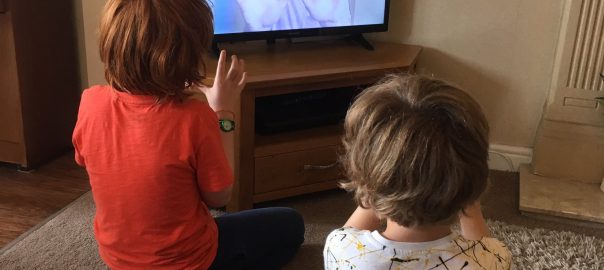
In mid-October, I was invited to talk to early years practitioners about the role of talk and storytelling in early reading. These events combined with preparation for the publication of my piece about encouraging reading for pleasure lead me to question the future of stories; what if we stopped caring about whether children could read, how might that impact story?
I posed a question on The Society of Storytelling Facebook page about post-pandemic storytelling in schools:
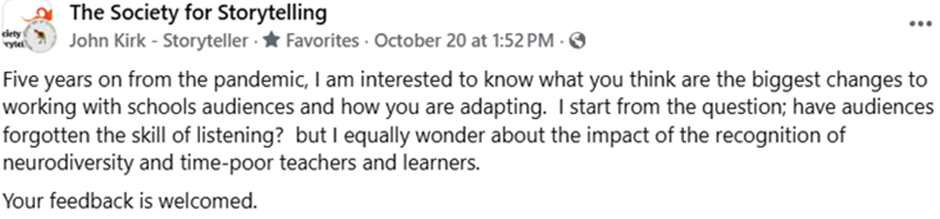
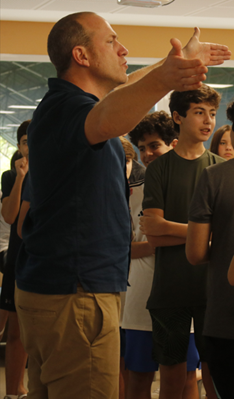
Insight came from storytellers with a range of experiences, some of whom felt very little had changed, others who believed that whilst audience behaviour may have changed the appetite and appreciation of story remained as strong as ever. The discussion was constructive and I and myself agreeing with the opinions of my peers. Whilst some young audiences may need to be retrained in the skill of listening and responding appropriately, children love being told stories and that good storytellers have always tried to be inclusive of recognised or unrecognised neurodiversity.
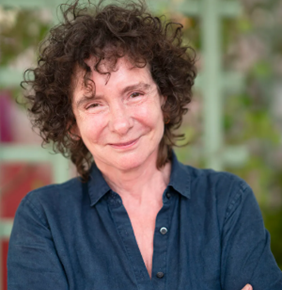
Further food for thought came from author, Jeanette Winterson who was interviewed about her book One Aladdin, Two Lamps on Radio Four at the beginning of November. When asked about the future of storytelling in a world of AI, Ms Winterson spoke effusively about the evolution of The Arabian Nights as a collection of interwoven folktales, authenticity and imagination – “Words begin in the mouth not on the page.” She reminded listeners that mass literacy was a relatively new aspiration and that she was sure that story would survive beyond books for as long as we are interested in the human condition.
Listening to the interview, I heard many views I share and express in my own workshops about story; that oral storytelling is an ancient art form in which stories develop with the telling, that our own story is often presented to us at birth and reinforced by our circumstances and, there is great power in controlling narrative because of the potency of our mind’s reality.
I am an advocate for both reading and storytelling but although they’re challenged by similar trends and behaviours, their futures are not exclusive. However audiences access their stories, the storytelling will always need to be championed and must continue to adapt to maintain engagement and perceived relevance. If reading can change a life, stories can change the world.
The Society of Storytelling is a membership organisation for the promotion of storytelling across the UK. It has thirteen thousand Facebook followers. To find out more visit https://www.sfs.org.uk/
Jeanette Winterson was in conversation with Tom Sutcliffe and guests on Start the Week, 3/11/25. To listen to the interview in full visit https://www.bbc.co.uk/sounds/play/m002lpdl
Image of Jeanette Winterson taken from the online Encyclopaedia Britannica